Introduction to Quantitative Trading
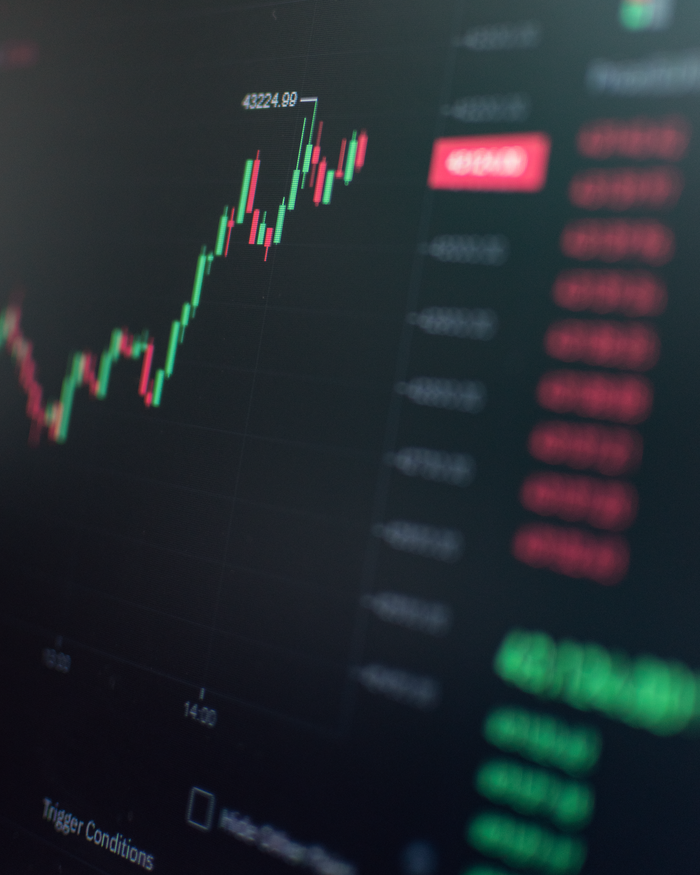
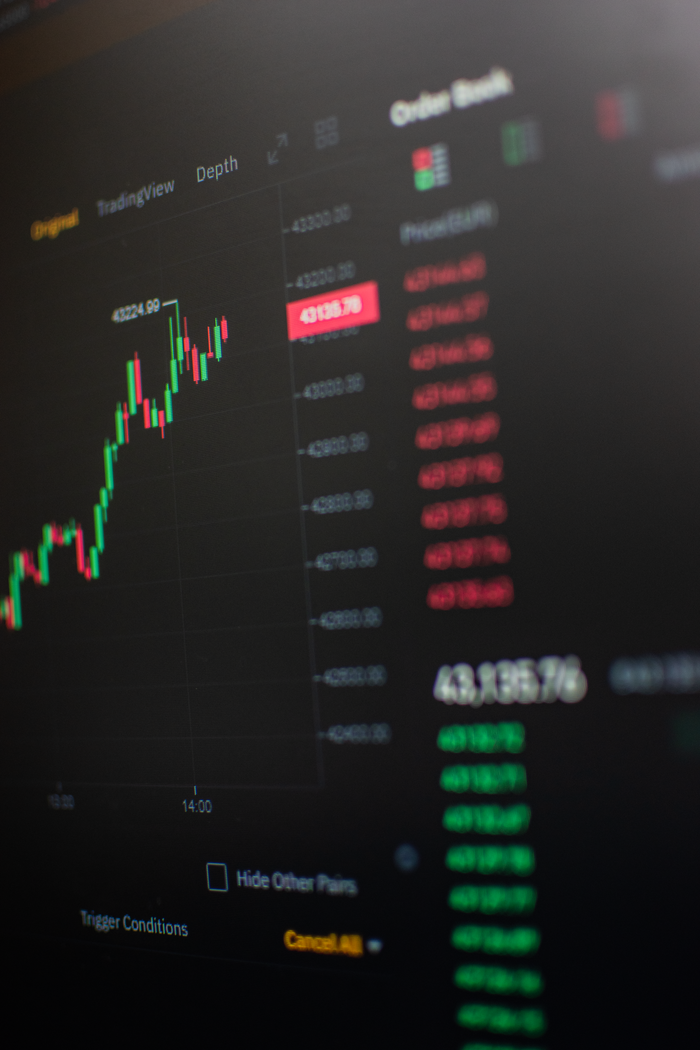
Quantitative trading harnesses the power of data and mathematics to create automated strategies that capitalize on market inefficiencies. It combines finance, statistics, and computer science to formulate approaches that are objective and systematic, minimizing emotional trading decisions. By relying on robust algorithms, traders can build strategies that include factors such as price trends and volatility.
Algorithmic Approaches in Quantitative Trading
There are several algorithmic approaches within the realm of quantitative trading. One popular method is statistical arbitrage, which involves identifying price discrepancies between related financial instruments. Another approach is trend following, where algorithms detect and execute trades based on the prevailing market trends. High-frequency trading is also prominent, using powerful computers to execute a large number of orders at extremely fast speeds, often taking advantage of minute price changes.
Evaluating Performance Metrics
To assess the effectiveness of quantitative trading strategies, it’s crucial to analyze various performance metrics. Common metrics include Sharpe ratio, which measures risk-adjusted return, and maximum drawdown, which helps understand the largest drop from a peak to a trough in portfolio value. A comprehensive analysis of these metrics can provide insights into the strategy’s reliability and robustness.
In conclusion, quantitative trading represents a field where technology meets finance, offering traders tools to pursue profitable opportunities with discipline and precision. Continued exploration of algorithmic techniques and performance analysis will enhance understanding and effectiveness in this evolving domain.